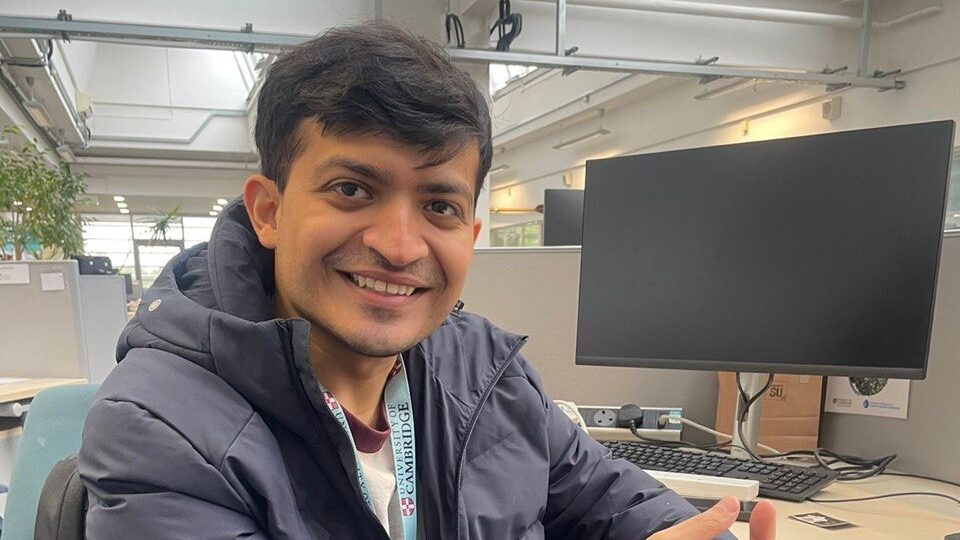
When we spoke to Mohd Tanveerul Alam, it was just after sunrise in Cambridge. He had already been up for a while, preparing for class and a ten-minute cycle through the crisp morning air. It was early where he was, but his thoughts were already deep — on water, systems, and how one person could help make them fairer for everyone.
Alam, an LBKM Merit Postgraduate Scholar pursuing an MPhil in Engineering for Sustainable Development at the University of Cambridge, is on a mission to rethink how the world builds and manages water systems. His focus on sustainable water infrastructure is not only technical — it’s personal, born from a lifetime of watching how access, opportunity, and empathy are connected.
Finding Purpose in the Pipes
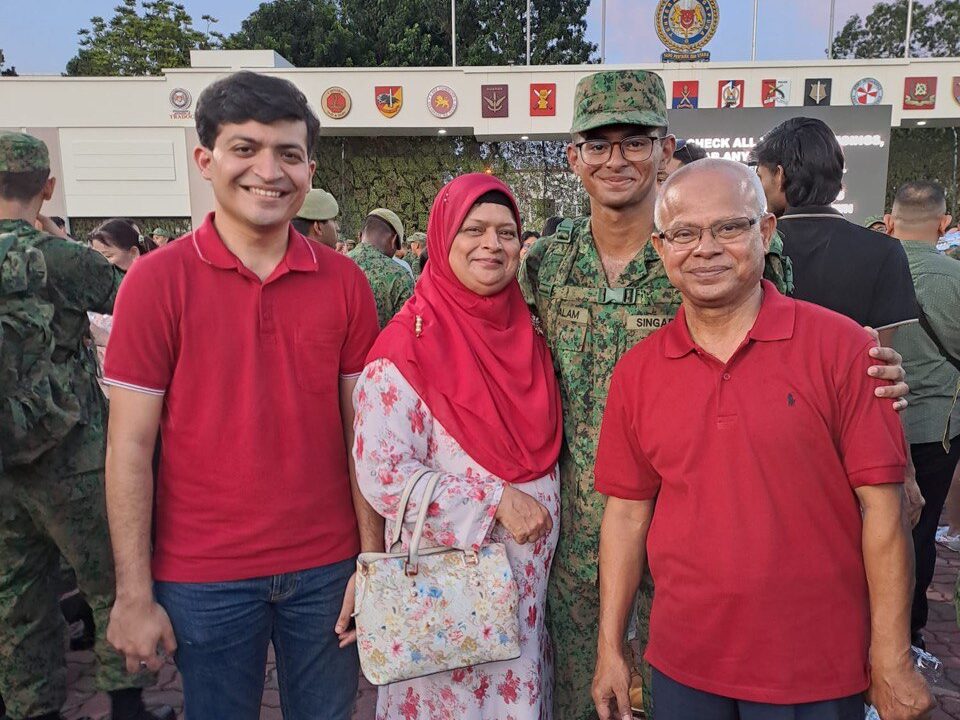
Growing up in Singapore as the son of a former migrant worker, Alam never imagined his life would lead to Cambridge. “We don’t really think about passion or purpose,” he shared candidly. “Engineering came by elimination — it was practical.”
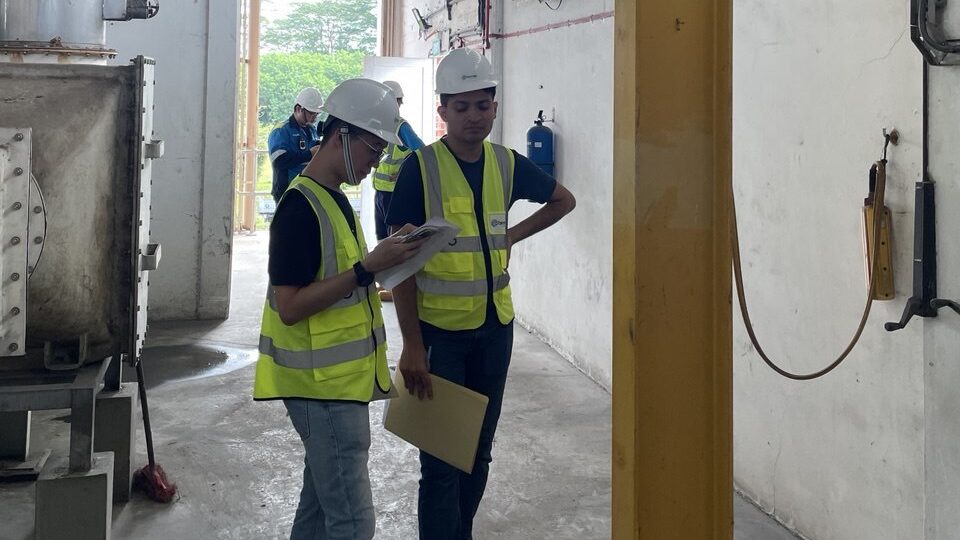
But practicality soon met purpose. After graduating from NUS and working on Singapore’s Deep Tunnel Sewerage System, he began questioning the trade-offs of large-scale engineering projects. “Singapore’s approach is very advanced,” he reflected. “But it’s also built on predict-and-provide — assuming we can keep expanding forever. Climate change is showing us it’s not that simple.”
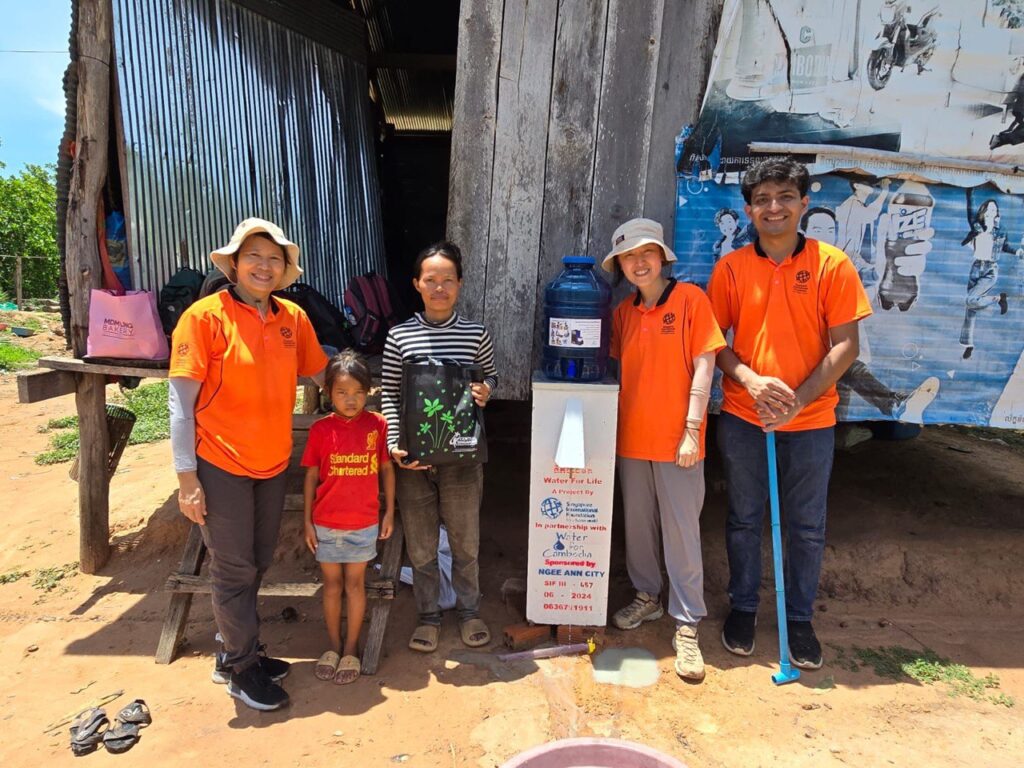
The turning point came during a volunteer trip to Siem Reap, Cambodia, where Alam helped install biosand water filters in rural homes. He was struck by a paradox: the same NGO had built both the filters and nearby latrines — but the two were too close, contaminating the water they were meant to clean.
“It showed me how one solution can create another problem when systems aren’t designed holistically,” he said. “That’s when I started thinking about sustainable water infrastructure — not just building more, but building smarter.”
Lessons from the Ground
Returning to Singapore, Alam began volunteering with Transient Workers Count Too (TWC2) and HealthServe, translating for Bangladeshi workers and documenting their experiences. Many, he discovered, had left home because of the same water and sanitation issues he was studying.
“They weren’t chasing wealth,” he said. “They were chasing dignity — clean water, a proper roof, basic safety.”
Those stories reshaped how he viewed engineering. It wasn’t just about solving technical problems; it was about understanding people’s lives. “If you really want to fix something,” he said, “you have to see the whole picture — from the person drawing the plans to the person turning on the tap.”
A Vision Beyond Borders
At Cambridge, Alam’s studies in Engineering for Sustainable Development are helping him merge technical knowledge with empathy and systems thinking. The programme’s interdisciplinary approach, grounded in real-world impact, aligns with his vision of designing adaptive and inclusive infrastructure.
His long-term plan is to work first in Singapore’s Public Utilities Board, learning how to strengthen climate resilience in a city that prides itself on innovation. Later, he hopes to bring that expertise back to Bangladesh, his birthplace, to help rebuild its fragile water systems.
“In Singapore, we’ve gone from zero to a hundred in water security,” he explained. “In Bangladesh, it’s about helping that hundred happen. The goal is balance — to keep one from falling and help the other rise.”
The Human Side of Engineering
For Alam, the heart of sustainable development lies in empathy. “We think progress is about being efficient,” he said. “But progress without compassion isn’t sustainable.”
He holds fast to a few principles: never get too comfortable, embrace both thinking and feeling, and always push beyond what seems enough. “The moments I’ve grown most were when I stepped outside comfort,” he said. “That’s where change begins — in people, and in systems.”
Making Possibilities Flow
Alam’s story is a reminder that education isn’t just about learning — it’s about widening the circle of impact. From Cambridge classrooms to construction sites and communities, his journey reflects what happens when purpose meets opportunity.
At LBKM, we believe in enabling such journeys — where passion for knowledge translates into real-world solutions for humanity. Support our mission to make possibilities flow — one scholar, one community, one future at a time.
Learn more about our scholarships or make a contribution to support the next generation of changemakers.